
Barbed Wire That Holds Livestock In
Agricultural barbed wire fencing installed throughout Thibodaux and surrounding cities.
If you run livestock on open pasture in Thibodaux and surrounding parishes, barbed wire fencing gives you a cost-effective way to mark boundaries and keep animals contained without the expense of board or rail systems. Esteve's Fence Company, LLC installs multi-strand barbed wire fences that are tensioned properly, spaced to match your livestock type, and anchored to handle pressure from animals testing the line.
Barbed wire fencing includes setting treated posts at measured intervals, running multiple strands of galvanized wire, and tensioning each strand so it does not sag or snap under weight. Post spacing, wire height, and the number of strands depend on whether you are containing cattle, goats, or other livestock. Corner posts are braced to handle the pull from long runs of wire, and gates are positioned based on how you move animals or equipment across the property.
To discuss layout options and strand configuration for your Thibodaux property, reach out to talk through what your fencing needs to do.
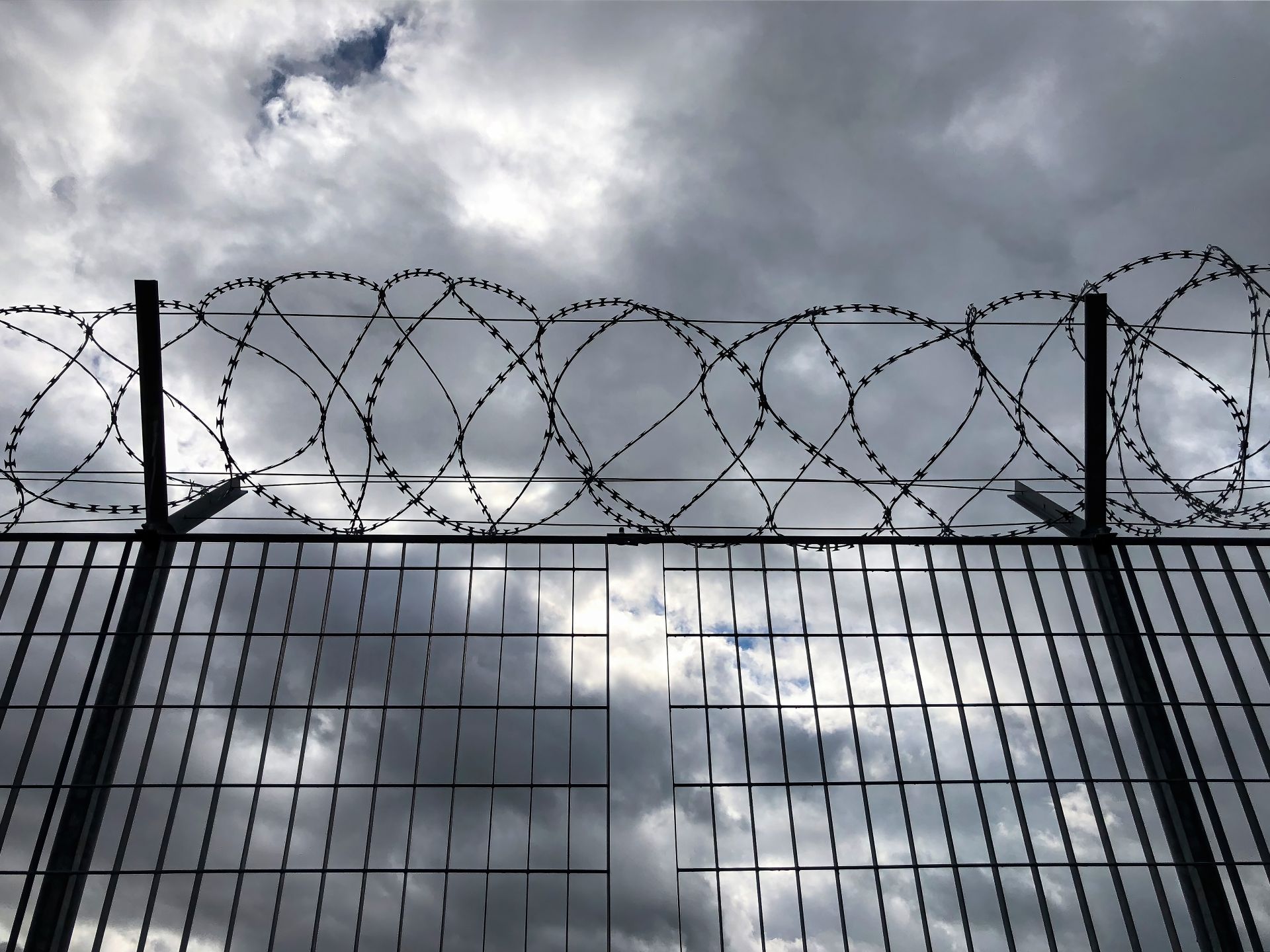
How barbed wire is installed and tensioned
Installation starts with setting corner and end posts, then placing line posts at intervals that prevent sagging between anchor points. In Thibodaux and surrounding cities, post depth and bracing methods account for soil type and how much tension the wire will carry over long distances. Each strand is run through the posts and pulled tight using a wire stretcher before being fastened with staples or clips.
Once the fence is complete, you will see straight wire lines that hold tension without drooping, corner braces that do not lean or shift, and posts that stay upright even when animals push against the wire. Livestock remain within pasture boundaries, and the fence requires minimal maintenance between seasons.
All wire is galvanized to resist rust, and posts are treated to handle ground contact and moisture. Barbed wire fencing does not include top rails or privacy screening, so it works best for agricultural containment rather than residential boundaries.
What property owners typically ask
Before installing barbed wire, most people want to know how many strands they need, how far apart the posts should be, and how long the fence will last under regular use.
Barbed wire is not recommended for horses due to injury risk from kicks or entanglement. Smooth high-tensile wire, board fencing, or pipe rail are safer options for equine containment in Thibodaux and surrounding parishes.
Esteve's Fence Company, LLC installs barbed wire fencing for agricultural properties in Thibodaux and surrounding cities that need durable, low-cost perimeter control. If you are ready to fence pasture land or need a section repaired, contact us to schedule a site review and go over strand and post options.